 Teorio
Electric cars and environmental zones
Environmental zones determine which vehicles are allowed to drive in certain Swedish city centers — and electric cars play a special role here. The difference between local emissions (what environmental zones address) and climate emissions is important to keep separate.
Rules & Regulations
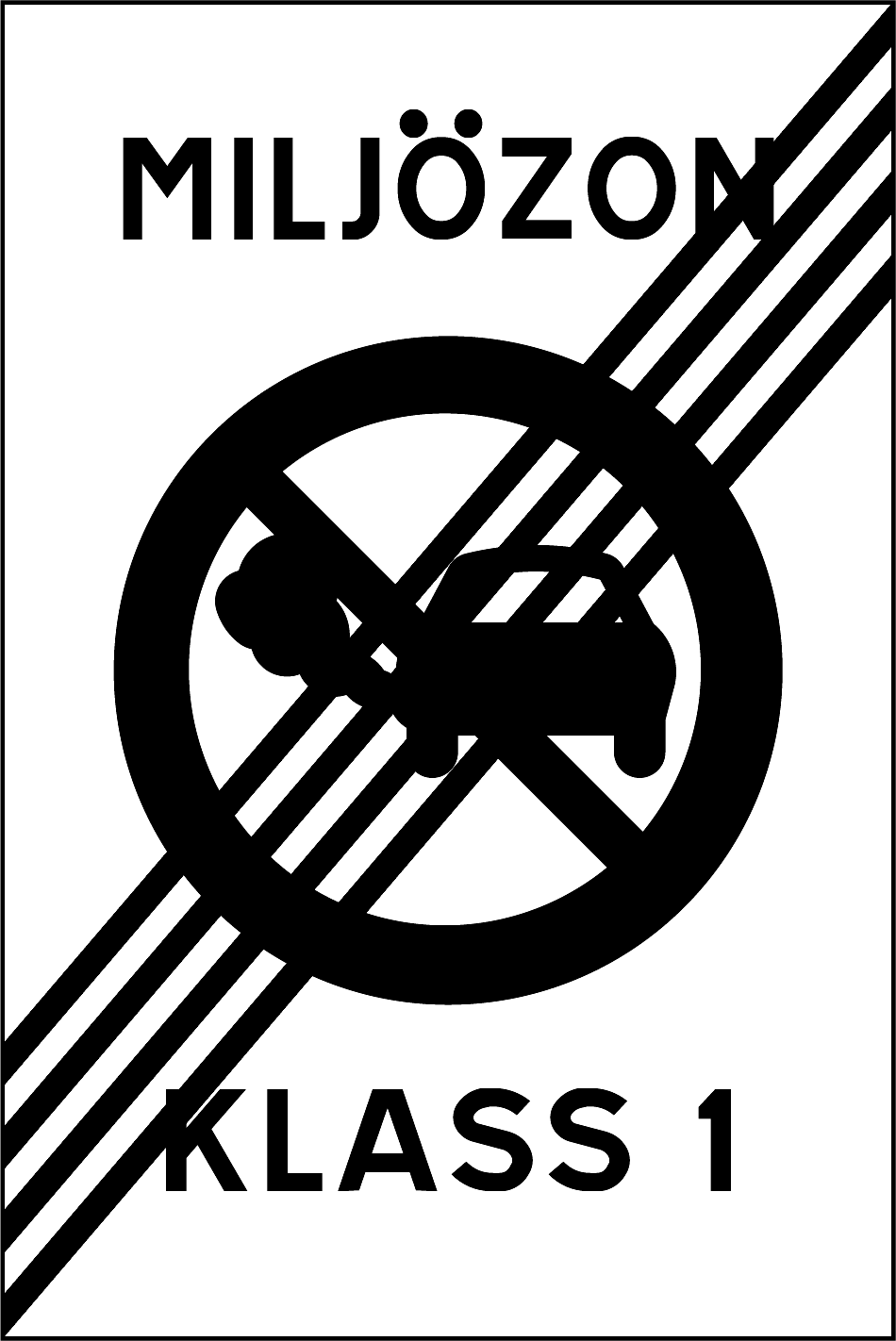
- Municipalities can establish environmental zones to restrict driving of vehicles that contribute to local air pollution; such zones must be clearly marked with signage at entrances and exits.
- The restrictions of environmental zones are primarily targeted at vehicle types and emission characteristics that increase particulates and nitrogen oxides (NOx); which vehicles are affected is determined by the local decision.
- The most common restrictions apply to heavy vehicles (e.g., trucks and buses) and diesel engines with higher emissions, but municipalities can in some cases also regulate other vehicle types.
- Electric cars have no exhaust emissions from a tailpipe and are normally not covered by bans that are explicitly aimed at local exhaust emissions from combustion engines.
- Driving in an environmental zone with a vehicle that does not meet the established requirements can lead to fines or other legal penalties; traffic rules apply regardless of the vehicle's country of registration.
- Environmental zone class 1 applies to heavy vehicles (trucks/buses) and requires at least Euro VI to be allowed. Environmental zone class 2 applies to passenger cars and light vehicles and requires at least Euro 5/6. Environmental zone class 3 is the strictest and permits only electric, fuel-cell, and gas vehicles (and certain plug-in hybrids among heavy vehicles).
- Driving a vehicle that does not meet the requirements in an environmental zone can result in a fine, typically around 1,000 SEK, and the vehicle also risks being towed.
Tips for Drivers
- Always check the municipality's information about environmental zones before planning to drive into a city center — rules may differ between municipalities and be updated over time.
- Read the road signs carefully at the entrance to an environmental zone; there may be supplementary signs specifying which vehicles or time periods apply.
- If you are unsure whether your car is covered, check the vehicle's technical details (e.g., type approval or manufacturer specifications) or the municipality's checklists instead of assuming.
- Remember that electric cars' advantage in environmental zones pertains to locally exhaust-free operation — it does not affect other traffic rules such as parking regulations or loading bans.
Common Mistakes
- Believing that environmental zones are primarily about reducing carbon dioxide (CO2); the purpose is primarily to reduce local air pollutants such as particulates and NOx.
- Assuming that all electric cars can automatically drive without restrictions in all types of zones — some zones or local rules may have other access restrictions not related to exhaust emissions.
- Mixing up environmental zones with other measures such as congestion charges or parking rules; these are often governed by different decisions and signposted separately.
Exam Tip
On the theory test, a question may focus on what environmental zones aim to reduce (local air pollutants, e.g., particulates and NOx) rather than carbon dioxide. Remember that electric cars lack exhaust emissions and therefore usually are not covered by bans aimed at exhaust from combustion engines.
Did You Know?
Electric cars have no exhaust from a tailpipe, which provides direct benefits for local air quality in urban environments, although the vehicle's overall lifecycle climate impact depends on the origin of the electricity.
Frequently Asked Questions
How do I know if an environmental zone applies at a certain location?
Environmental zones must be marked with road signs at entrances and exits. The municipality's website and traffic authorities also publish information about which zones exist and what rules apply.
Are electric cars always allowed in environmental zones?
Electric cars are normally not covered by bans aimed at vehicles with exhausts, because they have no exhaust emissions. The municipality may, however, have other local access rules that can also affect electric vehicles.
Do environmental zone rules apply to foreign vehicles?
Yes, traffic rules and local regulations generally apply regardless of whether the vehicle is registered in Sweden or abroad. Check the municipality's information before driving into the zone.
Are environmental zones the same as parking or delivery rules?
No. Environmental zones concern which vehicles are allowed to drive in an area based on emission characteristics, while parking and delivery rules govern where and when you may stop or unload. However, they can occur at the same time in the same area.
Related Road Signs

Practice more in the app
Study Swedish road signs and driving theory in English. 314 signs with rules, tips and quizzes.